For most shoppers, do not assume an ordinary electric toothbrush is an FSA- or HSA-eligible purchase. The IRS’s general test is that a medical expense must be primarily to alleviate or prevent a physical or mental disability or illness; an expense that is merely beneficial to general health does not qualify. A powered brush’s everyday cleaning purpose or added features do not, on their own, show that a purchase meets that test. IRS Publication 502
A specific purchase may need an individualized review when it relates to a diagnosed condition or disability. That does not make every clinician recommendation or electric-brush feature eligible. Before using FSA or HSA money, ask the plan administrator whether the particular item qualifies and which records it needs.
The short version: pay normally for a typical electric toothbrush unless your situation has a documented medical reason and your administrator confirms the plan’s requirements.
Why the answer is usually no
FSA and HSA rules use the tax-law concept of a qualified medical expense. Under IRS guidance, the expense must be for medical care as defined in Internal Revenue Code section 213(d), rather than an ordinary personal, living, or family expense. IRS Publication 969 IRS Publication 502
Brushing is important daily care, but that does not make every oral-care purchase a qualified expense. The IRS distinguishes medical care from costs that are merely beneficial to general health. An electric model may clean differently or be easier for some people to use, but those qualities alone do not establish FSA or HSA eligibility. IRS Publication 502
That distinction matters because product labels and payment prompts are not a final tax determination. A retailer may sell health-related items, and an FSA or HSA card may be available at checkout, but you should still keep the documentation your account or plan requires. For an HSA, the account holder must retain records showing distributions were used only for qualified medical expenses. IRS Publication 969
The limited medical-need exception
The IRS says medical-care expenses must be primarily to alleviate or prevent a physical or mental disability or illness, rather than merely benefit general health. Applying that standard to an electric toothbrush is fact-specific—not a blanket exception for any item a health professional mentions. IRS Publication 502
For an electric toothbrush, a potentially relevant situation could involve a diagnosed condition or disability and a need for a particular device rather than mere convenience. This article cannot determine whether a specific purchase meets the standard; your clinician and plan administrator are the appropriate sources for that decision.
| Situation | Practical takeaway |
|---|---|
| You want an electric brush for ordinary home oral care. | Treat it as a personal purchase, not a routine FSA or HSA expense. |
| A clinician recommends a device to address a diagnosed illness or disability. | Ask the administrator whether the item can qualify and exactly what substantiation is needed before you buy. |
| The brush has premium settings, an app, or accessories. | Do not assume added features change the underlying personal-expense treatment. |
| You already bought the brush. | Keep the receipt, but check eligibility before taking or requesting reimbursement. A receipt alone does not prove medical necessity. |
A letter from a dentist, physician, or other treating professional can help explain why an item is needed when a plan requests documentation. It does not, by itself, make a personal product eligible. The use of the item still has to fit the IRS medical-expense standard, and the plan must be able to substantiate the claim.
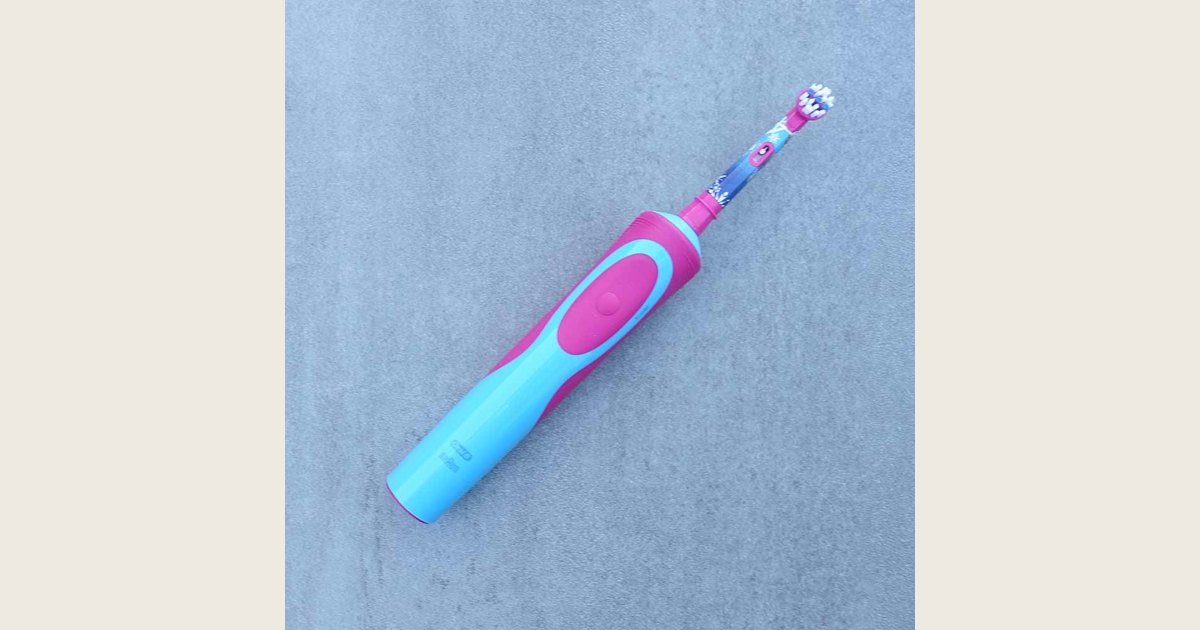
Photo: Oral-B Stages Power Electric Toothbrush by electricteeth, https://www.flickr.com/photos/156498286@N05/24246515327; https://creativecommons.org/licenses/by/2.0/. Resized and padded. Illustrative stock photo; no product testing is implied.
How to check before spending FSA or HSA money
Use this process when you think your circumstances may be different from a typical toothbrush purchase.
- Identify the account you are using. An FSA reimbursement and an HSA distribution both depend on qualified medical expenses, but their timing and recordkeeping rules are not identical.
- Describe the exact item and reason for it. Give the plan administrator the product type, purchase price, and the medical reason it may be needed. Avoid asking only whether “electric toothbrushes” are eligible; that broad question can hide the facts that matter.
- Ask what documentation the administrator wants. For a health FSA claim, Publication 969 says you must provide a written statement from an independent third party showing that the expense was incurred and its amount, then certify that it has not been paid or reimbursed under another health plan. Have the administrator tell you whether clinician documentation is also needed and what it should address. IRS Publication 969
- Get the documentation before purchasing when possible. A clinician can explain the diagnosed condition, why the device is required to prevent or relieve it, and any relevant treatment period. Do not create or alter documentation yourself.
- Save your records. Keep an itemized receipt, supporting clinical documentation if required, and the administrator’s eligibility decision or claim correspondence. HSA owners are responsible for retaining records that support tax-free distributions. IRS Publication 969
- Avoid double reimbursement. An HSA expense cannot be treated as qualified if it was reimbursed from another source or claimed as an itemized deduction. IRS Publication 969
If the answer remains unclear, paying out of pocket is safer than assuming. You can also ask whether the administrator has an appeal or reconsideration process if it denies a claim.
FSA and HSA: the eligibility test is similar, the process is not
| Account | What matters for a possible toothbrush-related claim |
|---|---|
| Health FSA | Reimbursements generally cover qualified medical expenses incurred during the coverage period. Publication 969 calls for written third-party substantiation that the expense occurred and its amount, plus your certification that it was not paid or reimbursed under another health plan. IRS Publication 969 |
| HSA | A tax-free distribution must be for a qualified medical expense under section 213(d), not otherwise reimbursed. The expense must be incurred after the HSA is established, and the account holder must retain records supporting the distribution. IRS Publication 969 |
Neither account type makes a conventional electric toothbrush automatically eligible. An FSA administrator may deny a claim for missing substantiation. With an HSA, the responsibility to show that a distribution was qualified stays with the account holder even if they paid with an HSA card. IRS Publication 969
Questions to ask your plan administrator
A focused question is more useful than a generic search result. Before you buy, ask:
- Is this particular electric toothbrush eligible under my plan given the medical reason for the purchase?
- Does the plan treat it as a personal item unless I provide clinical documentation?
- If documentation is needed, what must it show and when must I submit it?
- Can I use an FSA card, submit a reimbursement claim, or pay first and seek reimbursement later?
- What receipt details and other records should I keep?
- If the item is denied, is the reason that it is ineligible, that records are incomplete, or that the timing is wrong?
Get the response in writing if your plan offers secure messages or claim correspondence. That will not override tax law, but it gives you a record of the plan-specific instructions you followed.
Common misunderstandings
“My dentist said an electric brush would be helpful.”
A recommendation may be valuable for your oral-care routine, but helpful and medically necessary are not interchangeable. The IRS rule turns on whether an expense is primarily to alleviate or prevent illness or disability rather than merely benefit general health. Ask the administrator how it applies that standard to your documented situation. IRS Publication 502
“The checkout page says it works with FSA or HSA funds.”
Treat that as a prompt to verify, not a guarantee. Product listings and card processing cannot replace the eligibility analysis or the records required for a claim. Keep your documentation even if payment appears to go through.
“It has a pressure sensor and multiple cleaning modes, so it must be medical.”
Features can make a product appealing, but they do not by themselves show that its principal use is qualifying medical care. Start with the reason you need the item and the evidence your administrator requests.
“Can I claim replacement heads, batteries, or a travel case?”
Do not assume an accessory is eligible merely because it relates to an electric toothbrush. Ask about each expense separately, particularly when the underlying device is ordinarily a personal item.
Buying decision and payment decision are separate
Whether an electric toothbrush suits you is a different question from whether it can be reimbursed. If you are comparing cleaning approach, comfort, cost of replacement heads, or technique, see our guide to electric versus manual toothbrushes. If you already own a powered brush, our guide on how to use an electric toothbrush can help you use it effectively.
Those performance and routine considerations can inform a purchase, but they do not make a standard toothbrush an FSA or HSA expense.
FAQ
Are electric toothbrushes HSA eligible?
Usually not. An HSA distribution is tax-free only when it pays a qualified medical expense, and the IRS distinguishes medical care from expenses that merely benefit general health. A fact-specific medical need may call for an administrator review, but confirm the item’s treatment and retain records before using HSA funds. IRS Publication 502 IRS Publication 969
Can a letter of medical necessity make an electric toothbrush FSA eligible?
Not automatically. Documentation can support a claim when an administrator needs evidence that the item is principally used to prevent or relieve a diagnosed illness or disability. The expense must still meet the IRS standard, and your FSA may require its own substantiation. IRS Publication 502 IRS Publication 969
What records should I keep if a plan says the purchase may qualify?
Keep the itemized receipt, the administrator’s instructions or decision, any required clinical documentation, and records showing that the expense was not reimbursed elsewhere. For an HSA, IRS guidance specifically says to retain records showing distributions were solely for qualified medical expenses. IRS Publication 969
Bottom line
A regular electric toothbrush should generally be treated as a personal expense, even if it is part of a conscientious oral-care routine. The potential exception is not the brush’s price, brand, or technology; it is a documented, principal medical use that meets the IRS standard and satisfies your plan’s claim process. Verify that narrow exception first, keep the requested records, and do not rely on a payment screen or a general recommendation alone.
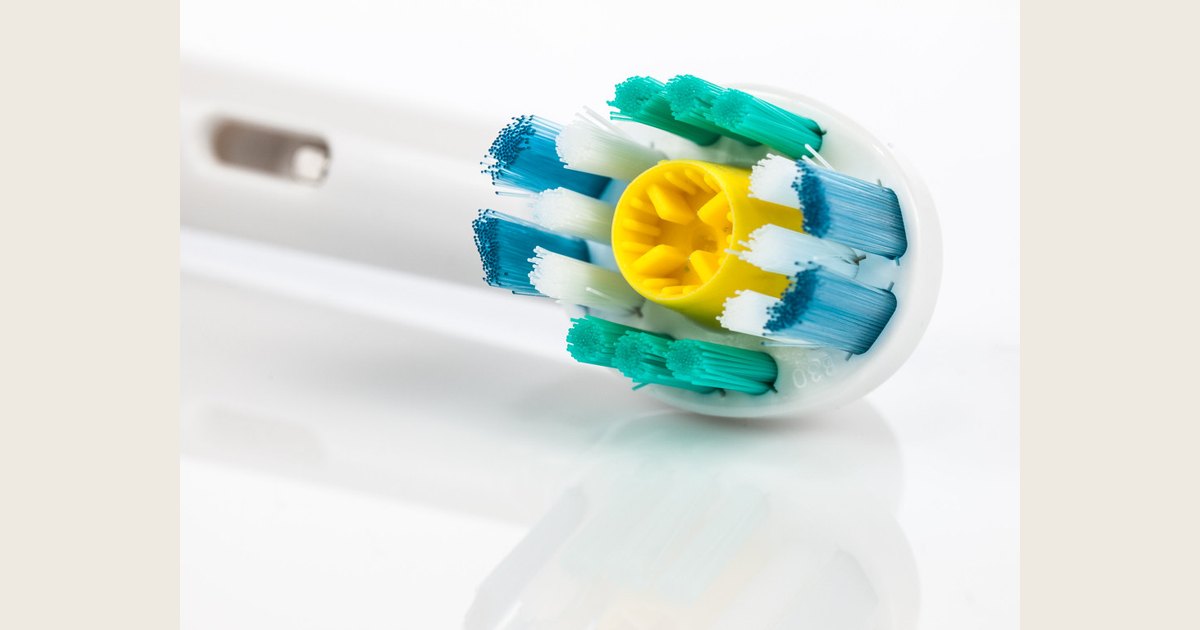
Featured image credit: Photo: Electric Toothbrush Head by wwarby, https://www.flickr.com/photos/26782864@N00/11694299396; https://creativecommons.org/licenses/by/2.0/. Resized and padded. Illustrative stock photo; no product testing is implied.