If you’re shopping for a Philips Sonicare, start with one question: will a specific extra change how you brush? The 4100 Series HX3681/23 is a useful baseline: Philips lists pressure feedback, a two-minute timer, 30-second pacing, and a 14-day battery estimate under stated use conditions. Other features need to be checked against the exact product code; a series name or a higher price alone doesn’t tell you what’s included. For a straightforward routine, a basic handle may be enough. Consider paying more only for a feature you’ll actually use. This is a research-based feature guide, not hands-on testing or a ranking of cleaning performance.
Key Takeaways
- The 4100 Series HX3681/23 has a pressure sensor, two-minute timer, 30-second QuadPacer, and a stated 14-day battery estimate.
- Extra settings, app features, and accessories should be verified on the exact model and bundle before purchase.
- Soft bristles, gentle pressure, and brushing for two minutes twice daily matter more than a premium handle.
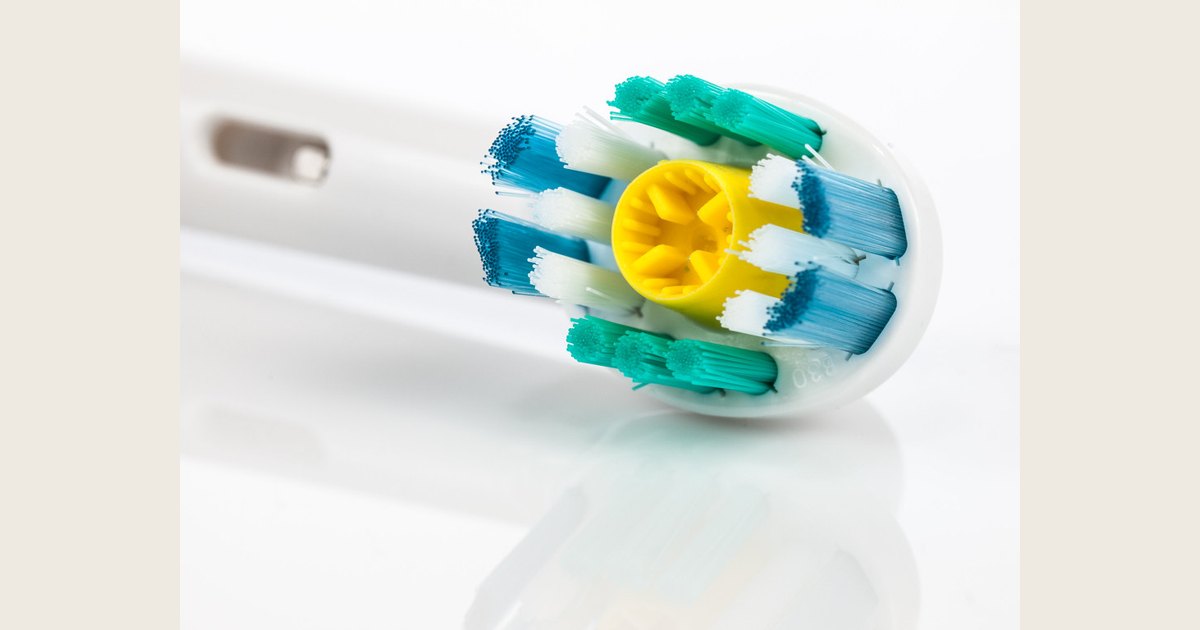
Featured image note: The toothbrush-head close-up is illustrative stock, not a specific Sonicare model or a product test. Photo: Electric Toothbrush Head by wwarby, CC BY 2.0; resized and padded.
Philips Sonicare 4100 HX3681/23: a verified baseline
Philips’ product page verifies the HX3681/23 details in the first row; this is a feature guide, not a model-to-model ranking. The remaining rows flag useful questions to answer from each exact Sonicare model’s product page or manual.
| Feature | What Philips lists for HX3681/23 | Shopping takeaway |
|---|---|---|
| Pressure feedback | A sensor signals excess pressure with a pulsing sound and automatically reduces vibration. | Consider it if a reminder to ease up would help; it is a cue, not a guarantee of technique or results. |
| Brushing prompts | A two-minute SmarTimer and 30-second QuadPacer. | Useful if you want timing and interval reminders. Check whether another exact model code includes the prompts you prefer. |
| Battery estimate | Up to 14 days, based on two two-minute brushings per day in standard mode. | Treat this as a model-specific estimate under Philips’ stated routine, not a promise for every handle or use pattern. |
See Philips’ HX3681/23 product details.
Which Sonicare features are worth paying for?
Pressure feedback and timers
The 4100 Series HX3681/23 already includes two practical brushing cues: its pressure sensor signals when you press too hard and automatically reduces brush vibration, while its SmarTimer and QuadPacer mark two minutes and 30-second intervals (Philips). Those features can remind you to ease up and spend time across your mouth; they don’t guarantee a particular result or replace careful technique.
The American Dental Association recommends brushing for two minutes twice a day with fluoride toothpaste, using a soft-bristled brush and gentle pressure. It says both manual and powered toothbrushes can be used effectively (ADA, “Toothbrushes”). That advice doesn’t require a premium handle. If a timer helps you complete your routine—or pressure feedback gives you a useful reminder—the 4100’s listed features may meet that need. If you already brush gently for the full two minutes, extra prompts may add little.
If you want a refresher on movement and coverage, see our guide to how to use an electric toothbrush.
Extra modes and intensities
Pay for more settings only when you expect to use them. A gentler or alternate setting might appeal to someone who wants a different brushing feel, but a larger mode count by itself doesn’t show that a brush cleans better. The ADA guidance supports soft bristles and gentle pressure; it doesn’t rank Sonicare models or say that more settings produce better oral-health outcomes.
Before buying a model promoted for “more control,” open its product page or manual and confirm the exact mode and intensity options for the full model code. Retail listings can group colors, bundles, or related variants together, so don’t assume a feature listed for one code applies to another. Also check whether changing a mode is simple enough that you’ll use it. If you leave the handle on one setting, the extra selection may not be worth the price difference.
Brush heads and the cost of keeping it going
A toothbrush purchase is not just the handle. Check the cost and availability of replacement heads you can use with the exact Sonicare model, and verify compatibility in Philips’ product information before ordering. Don’t choose a refill based only on a similar-looking connector or a broad “Sonicare” label; confirm the package lists your handle.
The ADA recommends soft bristles and replacing a toothbrush or head every three to four months, or sooner if the bristles are visibly matted or frayed (ADA). For a simple annual budget, multiply the current price of a compatible head by roughly three or four replacements; pack sizes and actual prices vary. First confirm compatibility for the full handle code in Philips’ product information, then compare that refill estimate with the handle price. This avoids treating a low introductory handle price as the whole cost.
If you’re still deciding whether powered brushing fits your routine, our electric versus manual toothbrush guide explains the choice without assuming one format is right for everyone.
Battery, app, and travel extras
Treat battery life as a model-specific estimate, not a guarantee for every Sonicare. For HX3681/23, Philips lists up to 14 days and bases that estimate on two two-minute brushing sessions per day in standard mode (Philips). Your use pattern and the exact product may differ, so check the manual for the model you’re considering rather than transferring this figure to another handle.
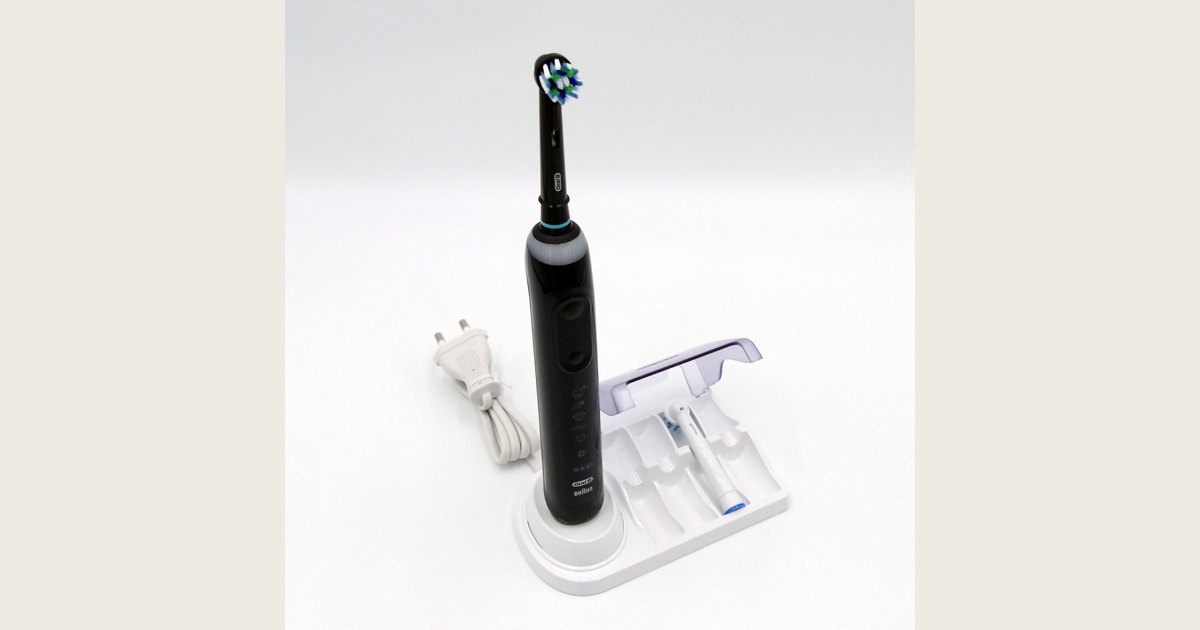
An app or travel accessory is worth paying for only if it solves a real inconvenience. Before choosing a connected model, check whether you need a phone for the feature you want and whether the handle remains useful without the app. For a travel bundle, use the exact listing’s box-contents section—not a general product photo—to confirm what’s included. Compare the added cost with the price of the accessories you would otherwise buy; if you wouldn’t use them, they don’t add value for your routine.
Which Philips Sonicare should you choose?
- You want a straightforward powered brush: Use the 4100 Series HX3681/23 as a starting point if its pressure cue and timing prompts suit your routine; compare its current price and bundle with your budget.
- You know you’ll use extra settings or app guidance: Consider a model offering those features, but decide by the specific function you want—not by a higher price or a longer feature list.
- You care most about ongoing value: Include the cost of compatible replacement heads and any accessories you’ll actually use, not just the handle’s upfront price.
No handle replaces good habits. The ADA says powered and manual brushes can both be effective; if you’re uncertain about pressure, technique, or a dental condition, ask your dentist or hygienist what suits you.
A quick checklist before you buy
- Match the full model number. Compare the letters and numbers after the series name, not just “Sonicare” or “4100.”
- Check the features you’ll use. Confirm pressure feedback, timer, modes, intensities, and app support on the exact product page or manual.
- Read the box contents. Verify the brush head, charger, case, and other accessories are included in that specific offer.
- Confirm replacement heads. Check compatibility with your handle and the current refill cost.
- Compare like with like. Prices and bundles can change; compare the same model code and included items rather than an advertised series name.
- Keep the health basics in view. Use a soft-bristled head, brush gently for two minutes twice daily, and replace a worn head on schedule, following ADA guidance and your dental professional’s advice.
Frequently asked questions
Is Philips Sonicare better than a manual toothbrush?
There isn’t one answer for everyone. The ADA says both powered and manual toothbrushes can be used effectively, so choose a brush you can use consistently with soft bristles and gentle pressure. For a comparison of the two formats, see our electric-versus-manual guide.
Do I need a pressure sensor?
Not necessarily. A sensor can provide a reminder to ease pressure, and Philips lists one on the 4100 Series HX3681/23. It’s a cue rather than a substitute for brushing gently; the ADA recommends gentle pressure regardless of whether the brush is powered or manual.
How often should I replace a Sonicare brush head?
The ADA recommends replacing toothbrushes or heads every three to four months, or sooner if bristles are visibly matted or frayed. Check Philips’ instructions for the exact head and handle, and replace it earlier if its condition calls for it.
Does a more expensive Sonicare clean better?
Price alone doesn’t establish cleaning performance. Compare the exact specifications and pay more only for settings, feedback, app functions, or accessories that matter to you. The sources reviewed for this guide don’t provide a head-to-head cleaning test of Sonicare models, so this article does not rank them by cleaning results.
The bottom line
For a simple, feature-conscious starting point, the 4100 Series HX3681/23 has manufacturer-listed pressure feedback, two-minute and 30-second timing cues, and a 14-day battery estimate under a defined routine. Consider another Sonicare only if its exact product code adds something you’ll use, and compare its included accessories and compatible replacement heads before checking out. Whichever handle you choose, the everyday essentials remain the same: brush gently with soft bristles for two minutes twice a day, and ask a dental professional about individual needs.