An electric toothbrush can be better at reducing plaque and gingivitis, on average—but it is not automatically better for every person. A large Cochrane review found modest advantages for powered brushing, while the American Dental Association (ADA) says that either manual or powered toothbrushes can be used effectively. The practical winner is the brush you can use gently and thoroughly for two minutes, twice a day.
Choose a powered brush if its motion, timer, or easier grip makes you more consistent. Choose a manual brush if you already brush carefully, want the simplest low-cost option, or prefer not to charge and replace specialty heads. The decision matters less than brushing technique, fluoride toothpaste, and cleaning between teeth regularly.
Key Takeaways
- Electric toothbrushes showed modest average reductions in plaque and gingivitis in a 56-trial Cochrane review, but the review could not establish the long-term clinical importance of those differences.
- A manual toothbrush is still a sound choice when used with soft bristles, gentle pressure, fluoride toothpaste, and a full two-minute brushing routine.
- Powered brushes may be especially useful for people with limited dexterity, braces, or children who need help with brushing.
- Pick the option you will maintain and use correctly; a premium brush cannot make up for rushed or overly hard brushing.
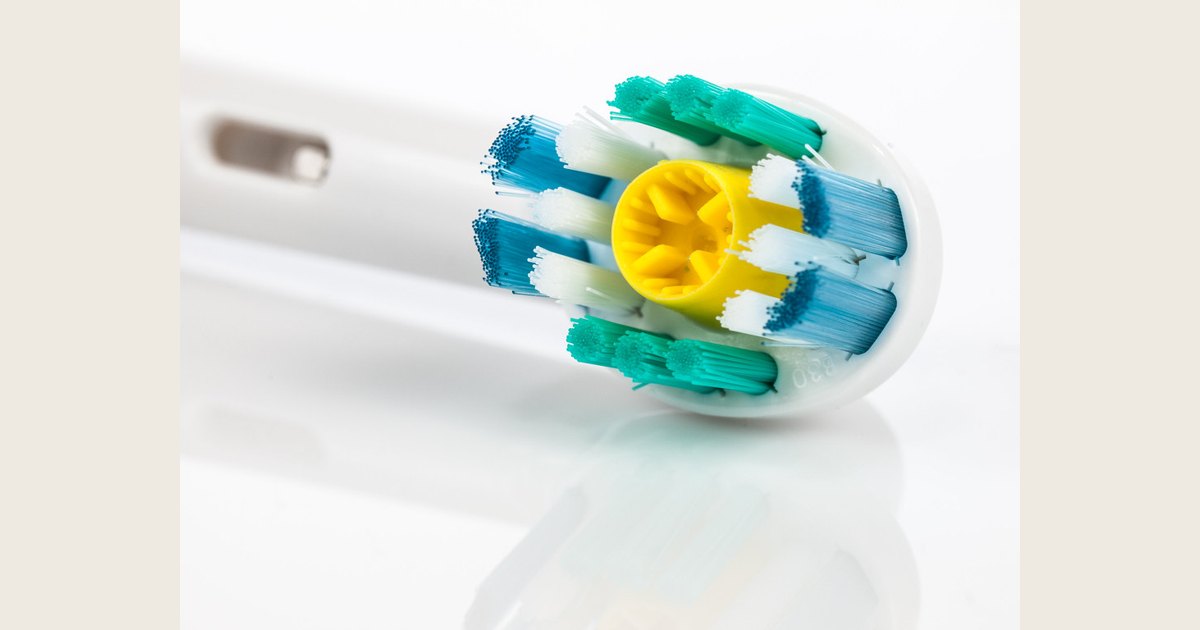
Featured image: “Electric Toothbrush Head” by wwarby, licensed under CC BY 2.0. Resized and padded. Illustrative stock photo; no product testing is implied.
The short answer: electric has an edge, but technique still decides
Electric toothbrushes have a modest evidence-based edge for plaque and gingivitis, but a manual toothbrush can still clean very well. In its review of 56 randomized trials involving 5,068 people, Cochrane found powered brushes were associated with an 11% reduction in plaque and a 6% reduction in gingivitis after one to three months. At more than three months, the reported reductions were 21% for plaque and 11% for gingivitis (Cochrane).
Those figures are useful, but they are not a promise that buying a powered brush will prevent cavities, gum disease, or dental visits. Cochrane rated the plaque and gingivitis evidence as moderate quality, noted substantial variation among the studies, and said the long-term clinical importance was unclear. In other words, the average advantage is real in the review, but it is not a substitute for a complete oral-hygiene routine.
The ADA reaches the practical conclusion most shoppers need: both manual and powered toothbrushes are effective at removing plaque. It also notes that powered options may be easier for people with dexterity problems, disabilities, braces, or children—and that they can cost more (ADA).
Electric vs. manual toothbrush at a glance
| What matters | Electric toothbrush | Manual toothbrush |
|---|---|---|
| Average plaque and gingivitis results | Modest advantage in the Cochrane review | Effective when used well |
| Best fit | People who benefit from powered motion or an easier-to-hold brush | People who prefer a simple, portable, lower-upfront-cost option |
| Technique required | You still need to guide it along every tooth and gumline | You control the motion, angle, time, and pressure yourself |
| Ongoing care | Charge it as needed and replace worn heads | Replace the brush when bristles wear; no charging |
| Value | Worth considering if it helps you brush more consistently | Excellent value when you already use good technique |
Bottom line: choose electric for an assist with consistency or accessibility; choose manual when you can reliably do the same job with a soft brush and careful habits. Neither choice is an excuse to rush.
What the research result does—and does not—mean
The research supports a small group-level advantage for powered brushes, not a universal verdict on every brush or every mouth. Most studies in the Cochrane review involved adults, and more than half used rotation-oscillation powered brushes. That brush category had the largest body of evidence and showed statistically significant plaque and gingivitis reductions at both follow-up periods (Cochrane).
That does not mean every electric brush works the same way, or that someone using a manual brush carefully will lose ground to someone who barely moves an electric brush around their mouth. The review also found that information on cost, reliability, and side effects was inconsistent. The few reported side effects were localized and temporary, rather than evidence that powered brushes are broadly harmful.
Think of the electric advantage as a helpful tool, not a magic-cleaning setting. If you switch, give yourself time to learn the brush’s instructions and slow down rather than scrubbing harder.
Who may get more value from a powered toothbrush?
A powered toothbrush is most compelling when it removes a barrier to doing a thorough job. The ADA specifically identifies people with dexterity problems, disabilities, braces, and children as groups who may find a powered toothbrush easier to use (ADA).
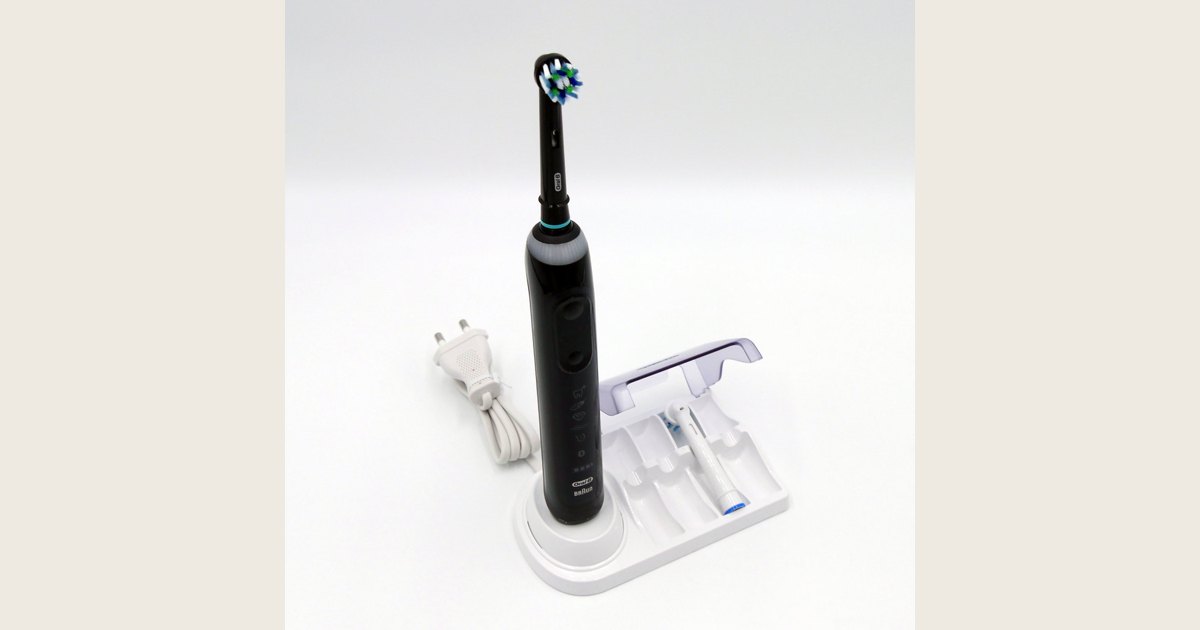
Illustrative stock photo: “Oral-B Genius 9000 Midnight Black Electric Toothbrush” by electricteeth, licensed under CC BY 2.0. Resized and padded. No product testing is implied.
A powered brush can be a sensible choice when hand fatigue, arthritis, limited hand control, or orthodontic hardware makes careful manual movement harder. It may also help a child engage with brushing, but it does not replace adult assistance or supervision. The ADA says caregivers should help or supervise children until they can spit out excess toothpaste after brushing (ADA). If a powered brush seems like a good fit, see our practical guide on how to use an electric toothbrush so its timer and brush-head motion support—not replace—careful coverage.
On the other hand, do not replace a manual brush that you like and use well simply because an electric model looks more advanced. If you already spend the full two minutes, clean every surface, and use gentle pressure, a manual toothbrush remains an effective option. Bring your brush to a dental visit if you are unsure; worn or splayed bristles can reveal that pressure or technique needs adjusting.
The habits that matter more than the motor
Whichever brush you buy, your routine determines the result. The ADA recommends brushing for two minutes twice a day with fluoride toothpaste and a soft-bristled toothbrush. Its general technique is to place the brush at a 45-degree angle to the gumline and move it gently in short strokes, reaching inner, outer, and chewing surfaces (ADA).
The National Institute of Dental and Craniofacial Research (NIDCR) similarly says to angle bristles toward the gumline, brush gently using small circular motions, clean all sides of each tooth, and brush the tongue (NIDCR). The motion descriptions are not identical, but the shared advice is more important: be gentle, clean the gumline and every surface, and avoid a hard back-and-forth scrub.
Use this checklist with either type of toothbrush:
- Use fluoride toothpaste and brush twice a day for two minutes.
- Start at the gumline, then cover the outside, inside, and chewing surfaces before moving on.
- Let an electric brush do its designed motion; guide it tooth by tooth instead of pressing it hard.
- With a manual brush, use light, controlled motions—not a fast sawing action.
- Brush your tongue.
- Clean between teeth regularly. NIDCR recommends aiming for once daily with floss or another dental professional-recommended option, such as an interdental brush, pick, or water flosser (NIDCR).
For a step-by-step powered-brush routine, see how to use an electric toothbrush the right way. If you are weighing a water flosser against string floss, our guide explains whether water flossers are as good as flossing.
Tradeoffs to consider before you buy
The best toothbrush is one you will keep using correctly, not necessarily the one with the most features. A powered brush can cost more than a manual brush, according to the ADA, and it adds charging and replacement-head considerations. A manual brush is easy to keep as a travel or backup brush and gives you a simple way to maintain your routine anywhere.
Before choosing, ask yourself:
- Will I use it for the full two minutes? A built-in timing cue may help some people, but a phone timer or ordinary timer can work with a manual brush.
- Can I get the right replacement head or brush easily? Do not make a choice that is inconvenient to maintain.
- Does the handle feel controllable? Comfort matters more than a long feature list.
- Will I be tempted to press too hard? Use soft bristles and gentle pressure either way.
- Is there an ADA Seal of Acceptance? The Seal means the manufacturer provided scientific evidence that the ADA evaluated for safety and efficacy in plaque removal and gingivitis reduction; it is available for both manual and powered toothbrushes (ADA).
Replace your toothbrush about every three to four months, or sooner if bristles are visibly matted or frayed. The ADA notes that a worn brush becomes less effective. With a powered brush, replace the head when its bristles are worn and follow the manufacturer’s care instructions (ADA).
Troubleshooting: when a new brush is not improving your routine
If your teeth do not feel clean or your gums are sore, change technique before assuming you need a more expensive brush. Slow down, reduce pressure, and make sure you are reaching the backs of the front teeth and the chewing surfaces of molars. A fresh soft-bristled head or brush may help if yours is worn.
Plaque can accumulate around fillings and exposed roots, and NIDCR notes that tartar cannot be removed by brushing at home—it needs professional cleaning. Red, swollen, or easily bleeding gums can be signs of gingivitis; persistent symptoms, pain, loose teeth, or concerns about braces, dry mouth, or a medical condition are good reasons to contact a dentist or dental hygienist (NIDCR). A toothbrush comparison cannot replace individualized dental advice.
So, is an electric toothbrush better?
Usually, it is somewhat better on average for plaque and gingivitis—but not so much better that a good manual routine becomes second-rate. Choose electric if it makes thorough brushing easier for you, especially when dexterity, braces, or habit-building are concerns. Choose manual if you can brush gently and completely for two minutes twice a day and want the simplest option.
The enduring priorities are the same: soft bristles, fluoride toothpaste, full coverage at the gumline, regular cleaning between teeth, and routine dental care. The brush is the tool; your daily technique is what makes it work.