The best electric razor for men is not one universally best model. It is the shaver whose head design, skin feel, power setup, and cleaning routine fit how you actually shave. Start with a foil shaver if you prefer deliberate straight passes and usually shave short facial hair. Consider a rotary shaver if your beard grows in several directions or you prefer working around the face in small circles.
Before choosing either type, decide how close you truly need the result to be, whether your skin reacts to shaving, and whether you will maintain the shaver. A more expensive option cannot make up for an uncomfortable technique, a feature you will not use, or neglected cutters.
Key Takeaways
- Choose the head design before comparing extras: foil for controlled straight passes, rotary for flexible circular passes around varied beard growth.
- For easily irritated skin, prioritize a comfortable result and good technique over chasing the closest possible shave.
- Treat wet/dry capability as a model-specific instruction, not a feature every electric razor has.
- Include replacement parts, cleaning, charging, and travel needs in the purchase decision.
Start with foil versus rotary
Foil and rotary razors cut hair differently, so this is the most useful first decision. A foil shaver has one or more straight shaving elements covered by a thin, perforated metal screen. You move it in short, controlled strokes. A rotary shaver usually has circular heads that flex across the face and are commonly used with small circular motions.
Neither design is inherently the best electric razor for every man. The better choice is the one that makes it easier to shave your own beard without repeated passes or pressure.
| Consideration | Foil shaver | Rotary shaver |
|---|---|---|
| Shaving motion | Short, straight, overlapping passes | Small circular passes |
| Head shape | Long, straight foil surface | Usually several circular heads |
| A practical fit | You like precision around sideburns, a mustache, or straight edges | Your beard changes direction around the jaw, chin, or neck |
| Routine to test | You shave frequently and prefer a consistent pattern | You want a head that can follow more curves |
Use this table as a starting point, not a promise of closeness or comfort. Blade sharpness, motor performance, head flexibility, preparation, and your hair pattern all matter. If possible, buy from a retailer with a reasonable return policy. The first few shaves should tell you more than a specification list can.
Put skin comfort ahead of the closest possible shave
If shaving causes burning, bumps, or stubborn irritation, choose a razor and routine that let you use less pressure and fewer repeat passes. A very close result is not automatically a better result if your skin feels worse later that day.
The American Academy of Dermatology explains that razor bumps, also called shaving bumps, can occur when shaving irritates the skin. Its prevention guidance recommends shaving in the direction hair grows rather than against it, and shaving often enough that hair has less time to curve back toward the skin (American Academy of Dermatology, “6 razor bump prevention tips from dermatologists”). That advice applies to your technique, not to a declaration that foil or rotary is better for every sensitive face.
A practical approach is to begin with the least aggressive routine that gets you an acceptable result. Use a light touch. Do not keep pressing a shaver into the same spot to chase one missed hair. If your neck hair grows sideways or in spirals, map that growth first and adjust your direction accordingly.
If a new shaver leaves your skin uncomfortable, change one variable at a time. Try a slower pass, a different shaving direction, or a shorter interval between shaves before assuming you need another razor. Persistent, painful, or scarring bumps deserve medical advice. The AAD advises seeing a board-certified dermatologist if bumps continue after you change shaving habits (American Academy of Dermatology).
Read wet/dry capability as a use instruction
Treat wet/dry wording as a model-specific instruction. Use water, gel, or cream only if the exact model permits it; a dry-only razor should stay dry.
Check its product page and manual for wet shaving, rinsing under running water, plugged-in operation, and shower use. Those are separate permissions. Water resistance for rinsing does not automatically mean shower use, and a wet/dry shaver may still be cordless-only.
For example, Philips identifies its S7887/82 Series 7000 as a wet-and-dry shaver and lists compatible replacement heads and a cleaning pod for that model (Norelco Shaver series 7000 Wet & Dry electric shaver S7887/82 | Philips). That is a reason to check each model’s documentation, not a rule for every shaver. Prioritize wet/dry approval only if you expect to use it.
Compare the battery setup, not just the claimed runtime
Compare the charger or stand, charge time, quick-charge option, and battery indicator, not only the runtime printed on the box. For travel, a compact charger and protective case may matter most; verify the exact model’s power and charging instructions if international travel is part of your routine. At one bathroom counter, a charging stand may be more valuable. Confirm whether corded operation is supported if a last-minute shave depends on it.
Price the maintenance, not only the razor
Set a total budget, then pay more only for convenience you expect to use. At a lower price point, prioritize a suitable head design and replacement parts you can obtain. At a higher price point, compare practical extras such as wet/dry approval, head flexibility, a battery display, a travel case, or a cleaning system. Those extras do not guarantee a better shave. Someone who shaves dry at the same sink every morning may get more value from readily available cutters than from a cleaning station.
Before buying, check the availability and stated replacement schedule for the exact foil, cutter set, or rotary head. Cleaning matters too: hair and skin oils can build up, so follow the manufacturer’s instructions for brushing, rinsing, lubricant, and drying. The American Academy of Dermatology’s razor-bump guidance says to clean an electric razor every five to seven shaves (American Academy of Dermatology); the manual remains the authority when its care instructions differ.
A cleaning station adds counter space and consumable costs. A washable head and brush may be enough if you will clean the razor manually.
You may not need an electric razor
Keep your current method if it gives you a comfortable result and its upkeep is not a burden. The best purchase can be no purchase. For stubble or a short beard, a trimmer is usually the more direct tool; a manual razor can still suit you if you prefer its result and tolerate it well. An electric razor is a reasonable compromise when speed, less mess, or a less aggressive-feeling routine matters more than the closest possible finish.
Use this buying checklist before choosing a model
Work through these questions before comparing model names:
- How does your beard grow? Begin with foil if you prefer straight, precise passes; compare rotary if growth changes direction across your jaw or neck.
- How sensitive is your skin? Prioritize comfort, a light touch, and fewer repeat passes over a closeness claim.
- Will you shave wet? Pay for wet/dry approval only if you will use water, gel, or cream.
- Where will you charge it? Match the stand, cable, quick-charge option, and case to your home and travel routine.
- Will you maintain it? Confirm replacement-part availability and choose cleaning you will actually do.
- What finish is enough? Distinguish a very close daily shave from a tidy result or fast stubble reduction.
This order prevents paying for premium features that do not solve your actual problem.
Fix common electric-shaving problems before replacing the razor
When a shaver feels less effective, first consult its manual, charge it, clean it, and check that the head is installed correctly. For patchiness, slow down and change the pass direction to match local hair growth. If it pulls, do not press harder: inspect the foil or rotary head for damage and replace parts as instructed. Do not use a damaged foil on skin. For irritation, simplify the routine and change one variable at a time. Seek medical advice for persistent, painful, or scarring bumps.
Frequently asked questions
Are foil or rotary shavers better for sensitive skin?
Neither is a universal winner. Choose the design that lets you shave with a light touch and fewer difficult repeat passes, then shave in the direction of growth when bumps are a concern.
Can I use shaving cream with any electric razor?
No. Use water, gel, or cream only when the exact model’s wet-use instructions permit it. A washable head is not proof the whole razor is approved for wet shaving or shower use.
How often should I clean an electric razor?
Follow the manual first. As a general benchmark, the American Academy of Dermatology recommends cleaning an electric razor every five to seven shaves (American Academy of Dermatology).
The right electric razor makes shaving easier to repeat comfortably. Start with foil versus rotary, confirm wet/dry and charging limits, and choose a maintenance routine you will keep. That is more useful than treating any single model as the best choice for every man.
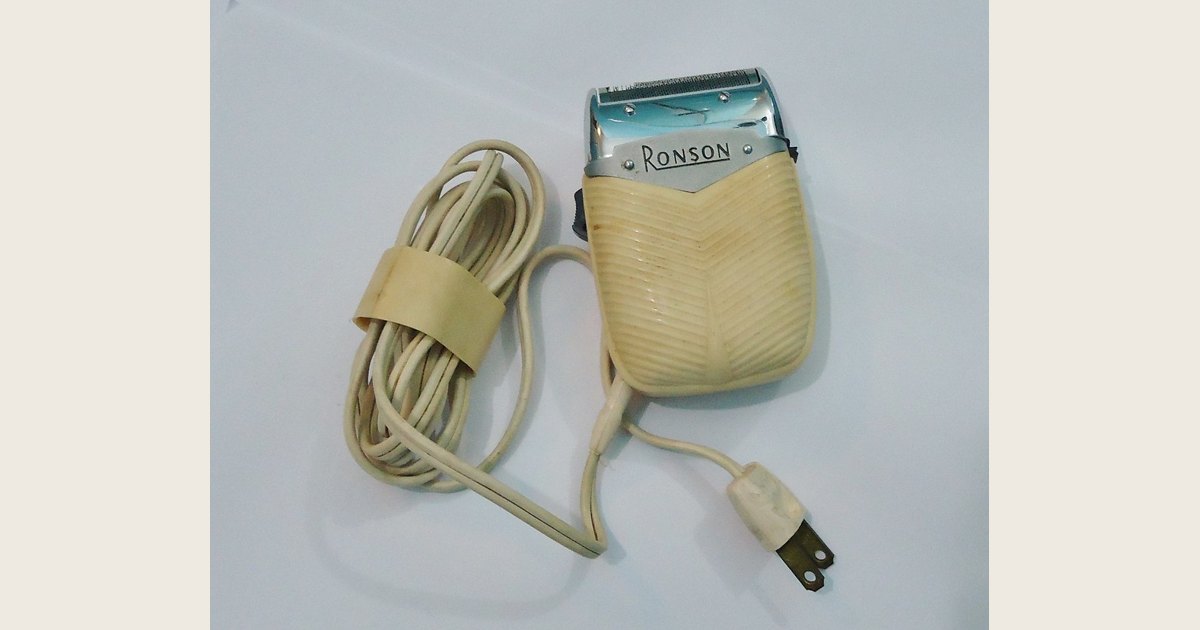
Photo: Electric shaver by Mauro Cateb, licensed under CC BY 2.0. Resized and padded. Illustrative stock photo; no product testing is implied.