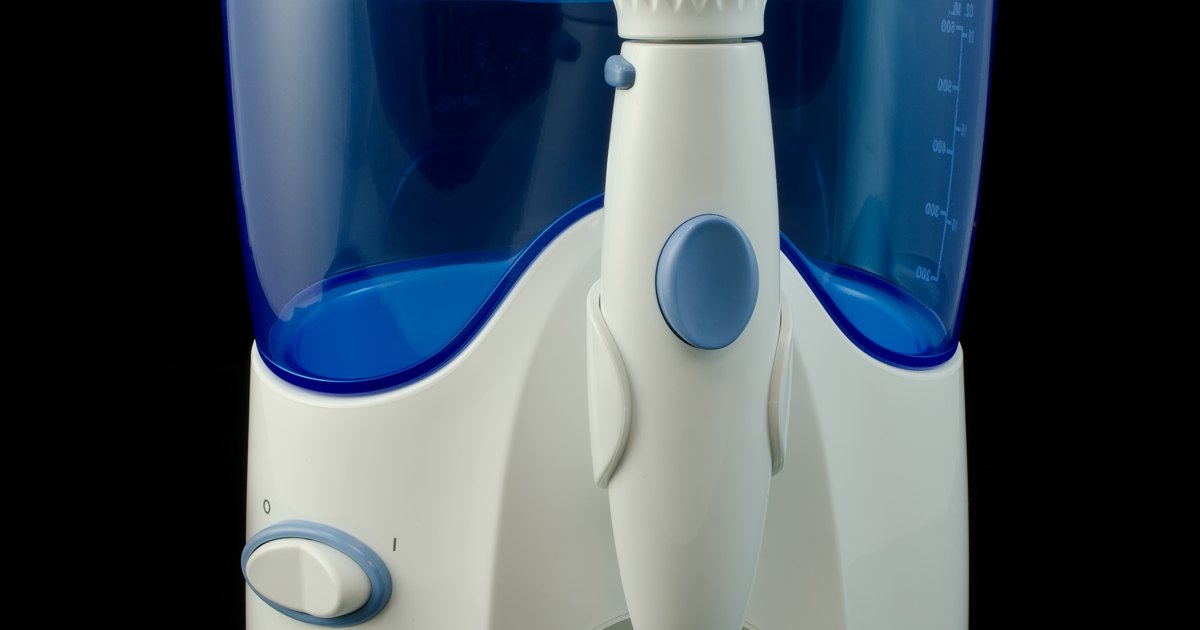
Yes, a water flosser can be as good as string floss for many people, but it is not automatically better for every mouth. Both are tools for cleaning between teeth, an area brushing cannot fully reach. A water flosser can make that daily task far more manageable around braces or dental work, or when string floss is hard to grip. String floss remains a simple, low-cost way to wipe the sides of tight tooth contacts when used well.
The goal is not to own a device. It is to clean between your teeth every day with a tool you can use gently and consistently. The National Institute of Dental and Craniofacial Research lists floss, holders, threaders, interdental brushes, and water flossers as options for doing that.
Key Takeaways
- Water flossers and string floss can both support daily cleaning between teeth; neither replaces brushing twice a day with fluoride toothpaste.
- A 2024 review of seven randomized trials had mixed results: four favored water flossers for plaque reduction, while three found no significant difference (systematic review).
- A water flosser can be a practical alternative when braces, bridges, or limited dexterity make string floss difficult.
- Do not buy one just because it is new. Keep your current method if it works comfortably, thoroughly, and every day.
Water flosser vs. string floss at a glance
The tools work differently. String floss goes through a contact and is curved against each tooth. A water flosser directs a pulsing stream along the gumline and between teeth. Neither description, by itself, picks a winner. Access, technique, cost, and the routine you can sustain matter more.
| Decision point | Water flosser | String floss |
|---|---|---|
| Best fit | Braces, bridges, some dental work, or trouble gripping and controlling floss | Tight contacts when you can use the C-shape technique comfortably |
| How it cleans | Flushes debris and disrupts material around the gumline and between teeth | Physically wipes the side of each tooth at the contact |
| Everyday tradeoff | Often easier around appliances, but needs water, storage, and device care | Inexpensive, portable, and technique-dependent |
| When not to buy | Your current interdental routine already works and you will not use a device | Hand pain or dental work makes it so frustrating that you skip cleaning |
A useful decision rule: choose the method that lets you clean all the spaces between your teeth gently, thoroughly, and regularly. If you have active dental treatment, gum disease, implants, or restorations, ask your dentist or hygienist to show you the best tool for each area.
What the research actually says
Water flossers are a legitimate interdental-cleaning option, but the research does not show that every water flosser beats string floss for every person. The 2024 systematic review assessed seven randomized trials in adults. Four found greater plaque reduction with water flossers; three found no statistically significant difference (Mohapatra and colleagues).
The differences between the studies are important. They used different devices and floss types, plaque-scoring methods, starting plaque levels, and follow-up periods ranging from a single use to six weeks. The review rated the evidence moderate certainty but found substantial variation across trials. That supports a careful conclusion: water flossers can be effective, especially in hard-to-reach areas. It does not promise that a device will outperform string floss in your own bathroom.
One included study favored water flossing after a single use. Other trials, including one in orthodontic patients, found no meaningful overall difference. Technique, the shape of your teeth and gums, and whether you keep the habit will influence your results.
The American Dental Association’s consumer guidance reaches a similarly practical conclusion. Conventional floss, dental picks, tiny brushes, and water flossers are all tools made for cleaning between teeth. A water flosser may help people reach around braces, bridges, and other dental work.
Verdict: this is a conditional tie, not a mandatory upgrade. A water flosser is not a gimmick or a second-rate fallback, and string floss is not obsolete.
When a water flosser may be the better choice
A water flosser is a better practical choice when it removes the reason you have been skipping interdental cleaning.
Braces, bridges, and difficult-to-thread areas
Wires and brackets can make conventional flossing slow unless you use a threader or specialty floss. Bridges and some restorations can also be awkward to navigate. The ADA says a water flosser may help people with braces, bridges, and other dental work reach difficult areas (MouthHealthy).
That does not mean every crown, bridge, or implant needs the same tip or pressure. Dental work differs in shape and cleaning needs. Follow your device’s model-specific instructions and the advice of the clinician who maintains that work. If you do not know how to clean beneath a bridge or around an implant, ask for a demonstration rather than experimenting aggressively.
Arthritis, hand pain, or limited control
String floss requires you to guide it through each contact, curve it against each tooth, and avoid snapping it into the gums. Arthritis, tremor, weakness, or limited reach can turn that into a reason to avoid the task.
The NIDCR specifically offers water flossers, floss holders, threaders, and tiny interdental brushes as alternatives when holding floss is difficult (NIDCR). A water flosser is one answer, not the only answer. A holder or appropriately sized interdental brush may be a less expensive fit.
A routine you will keep
The best tool is the one you will use correctly every day. If aiming a water flosser at the sink makes cleaning easier, that benefit is real. If filling and cleaning it feels like enough of a chore that you stop using it, stick with floss or another recommended option.
When string floss or another tool may be better
Do not replace an effective routine for the sake of upgrading. String floss is compact, inexpensive, and especially useful when it slips comfortably through tight contacts. The ADA advises easing it in, making a C around one tooth, moving it gently up and down, then repeating on the neighboring tooth (ADA flossing steps).
Water flossing versus string floss is also not the only decision. A larger space may be suited to a tiny interdental brush selected by a dental professional. Do not force a brush into a tight space. Different parts of the same mouth can need different tools, particularly after gum treatment or with orthodontic appliances. A mixed routine is reasonable if your dentist or hygienist has shown you how to use it.
Use a water flosser gently and keep it personal
Read the manual first. Tips, pressure settings, acceptable liquids, and cleaning directions vary by device. This general sequence does not replace those instructions:
- Fill the reservoir with plain lukewarm water unless the manufacturer says otherwise. Do not add mouthwash or another liquid unless your particular device permits it.
- Start at the lowest comfortable pressure. Increase gradually only if you can control the stream without discomfort.
- Lean over the sink and keep your lips partly closed. Let the water flow into the sink.
- Aim along the gumline and pause between teeth. Work methodically around the outside and inside surfaces, and around brackets or dental work.
- Empty and clean the device as its manufacturer directs. Allow removable parts to dry if instructed.
One study of two specific Sonicare AirFloss models found bacterial colonization during regular use and found that switching nozzles did not prevent transmission from those models (Bertl and colleagues). It does not prove every water flosser behaves that way or establish a universal cleaning method. It is a strong reason to follow device-care instructions and not treat a personal oral-care device as a household item to share.
Do not try to fix bleeding gums with more pressure
Red, swollen, easily bleeding gums can be a sign of gingivitis. Clean gently and consistently, but do not force string floss into your gums or blast a sore area at high pressure. The NIDCR notes that hardened tartar requires removal by a dentist or dental hygienist (NIDCR oral-hygiene guidance).
Contact a dental professional for persistent bleeding, pain, swelling, drainage, a loose tooth, or a change around a restoration or orthodontic appliance. A water flosser cannot remove tartar or replace an examination and professional cleaning.
Do you need to buy one? Use this checklist
- I already clean between my teeth daily with a tool I can use well.
- I can reach around braces, bridges, or other dental work without routinely skipping spots.
- My hands allow me to control my current tool without pain or strain.
- I have time and space to fill, use, empty, and clean a water flosser.
- I understand that no home device removes hardened tartar.
- I know what my dentist or hygienist recommends for my particular dental work and spaces.
If the first three statements are true, you may not need a water flosser. If they are not, consider a water flosser, holder, threader, or interdental brush. Start with the option that addresses the actual obstacle instead of assuming the most expensive option is best.
If you shop for a device, look for clear instructions and an ADA Seal claim that is actually displayed on its packaging or manufacturer page. The ADA Seal of Acceptance reflects the ADA Council on Scientific Affairs’ review of clinical and/or laboratory evidence for safety and effectiveness against product-category requirements. It is a useful screening signal, not a guarantee that one device is best for your mouth.
Frequently asked questions
Can I use a water flosser instead of string floss?
For many people, yes. A water flosser can be the primary tool for cleaning between teeth. The right choice can change with braces, a bridge, implants, gum disease, or unusually tight or open spaces, so ask for personalized technique advice at your dental visit.
Is a water flosser enough with braces?
It can make cleaning around wires and brackets easier, but you still need to clean every accessible tooth surface and follow your orthodontist’s instructions. Your orthodontist may recommend a water flosser alone or a combination with a threader, specialty floss, or an interdental brush.
Do water flossers remove tartar?
No. They can help remove plaque and food debris, but only a dentist or dental hygienist can remove hardened tartar. Do not raise the pressure or try to scrape tartar off yourself.
What if water flossing hurts or causes bleeding?
Lower the pressure and check your angle. If pain, swelling, or bleeding continues, contact a dentist or hygienist rather than repeatedly changing the technique. The ADA advises speaking with a dentist when cleaning between teeth continues to hurt (MouthHealthy).
The bottom line
Water flossers are as good as flossing when they help you clean between your teeth effectively and consistently. They can be particularly worthwhile for braces, some dental work, and limited hand dexterity. String floss remains excellent for people who use it comfortably, including those with tight contacts and a routine that needs to travel.
Choose the tool you will use daily, brush twice daily with fluoride toothpaste, and get individualized advice for any dental treatment or symptoms. If your current routine works, you do not need to buy another device.
Featured image: Water Flosser by Waterpikinc, cropped from the original. CC0 1.0.