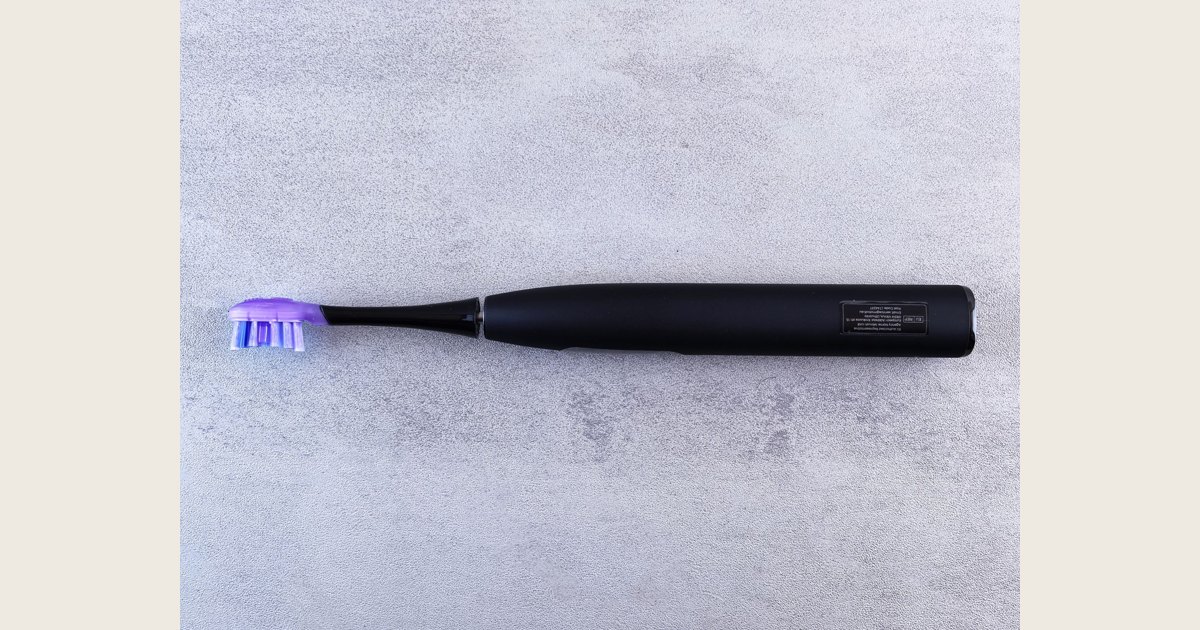
If you’ve settled on an electric toothbrush, the useful choice may be less about brush motion and more about how you want to power it. A rechargeable model suits a regular routine if you can keep its charger handy; a replaceable-battery model suits someone who would rather keep the correct cells in stock than manage charging. Neither is automatically the better cleaner: the American Dental Association (ADA) says both manual and powered toothbrushes can remove plaque effectively, and recommends brushing twice a day for two minutes with fluoride toothpaste (ADA).
This is a research-based buying comparison, not a hands-on test or clinical ranking. Features, brush heads, battery life and accessories vary by exact model, so the power label alone cannot answer every buying question.
Key Takeaways
- Choose rechargeable if you have a convenient charging spot and prefer not to restock disposable cells.
- Choose replaceable-battery if you prefer swapping the specified cell over keeping a charger in your routine.
- Compare exact models for useful features, compatible replacement heads, battery details and total cost; power type alone does not establish cleaning performance.
- Check battery chemistry and local disposal guidance, especially for rechargeable batteries.
Rechargeable vs. replaceable-battery toothbrushes at a glance
| Buying question | Rechargeable toothbrush | Replaceable-battery toothbrush |
|---|---|---|
| Best fit | A routine with a handy place to charge the handle | Someone who prefers to change cells and keep spares |
| Power | Recharge it using the model’s specified stand, cable or other setup; check whether its battery is user-replaceable | Use the exact battery type listed in the manual and replace it when depleted |
| Everyday upkeep | Remember to charge before the battery runs low | Keep the correct replacement cells available |
| Travel | Start with a charge; bring the required charging accessory if the trip calls for it | Pack the specified spare cells; no toothbrush charger is needed |
| Features | Check the individual model | Check the individual model |
| Ongoing cost | Handle, compatible heads and any required charging accessories | Handle, compatible heads and replacement cells |
| End of life | Follow the battery chemistry and local electronics or battery collection rules | Follow the cell chemistry and local rules |
Which type cleans better?
The ADA’s toothbrush guidance says both manual and powered brushes can be effective at removing plaque, but it does not compare rechargeable and replaceable-battery powered brushes. That source therefore cannot establish a winner between those two power systems. Choose a handle and brush head you can use consistently rather than assuming one power source cleans better.
The ADA recommends a soft-bristled toothbrush, gentle pressure and two minutes of brushing twice a day with fluoride toothpaste. It advises replacing toothbrushes every three to four months, or sooner if the bristles look matted or frayed (ADA toothbrush guidance). For a powered handle, check the manufacturer’s instructions for the compatible replacement head and its care guidance. A timer or quadrant cue can be useful if it helps you finish your routine, but it does not replace brushing all tooth surfaces gently. For technique, see our guide to using an electric toothbrush.
Which power setup is more convenient at home or on a trip?
Convenience comes down to which small task is easier for you: maintaining a charge or keeping the right replacement cells nearby. A rechargeable brush fits well when the charging setup has a stable, accessible place. If you often forget to charge devices or dislike keeping another cable or stand on the counter, a replaceable-cell model may feel simpler—provided you keep spares around.
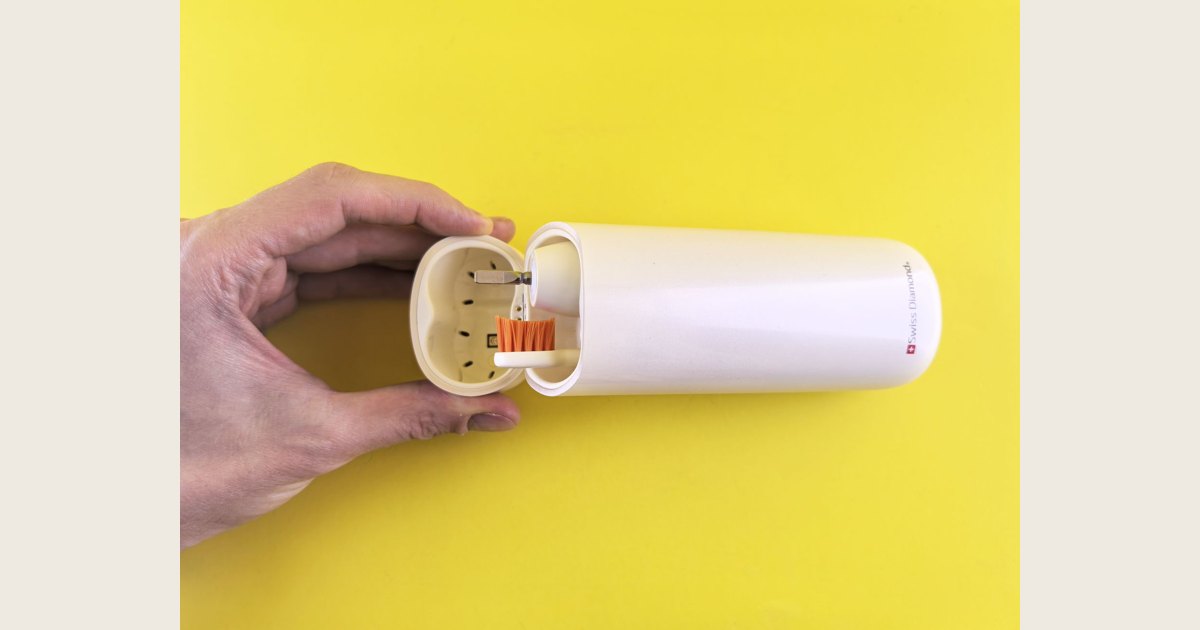
Illustrative stock photo by Andrey Matveev on Pexels (source image); Pexels License. It shows a travel case, not a particular power system or tested product.

For a trip, check the product manual for its stated battery life and charging method, then pack accordingly: a charging cable or stand, or the exact spare cell type. Don’t assume every rechargeable brush needs a bulky dock, or that every battery model is smaller or lighter. Case size, head protection, charge time and runtime are model-specific. If you fly, see our practical guide to packing an electric toothbrush for air travel; check current airline and security rules for any separate batteries you plan to carry.
Which features and replacement heads should you compare?
Treat the power system and the brushing features as separate specifications. For each exact model number, check whether it has a two-minute timer, interval cues, pressure alerts, different modes, a travel case or a travel lock. Confirm what the box includes: the required charger, cable, adapter, batteries and brush heads can differ by product and region. Don’t infer any of those details from the words “rechargeable,” “battery-powered” or “sonic.”
Also confirm which replacement heads fit that specific handle, how easy they are to find and what they cost. Two brushes in the same product family are not automatically compatible. Our Philips Sonicare buying guide can help explain feature trade-offs, but use the manufacturer’s current model page or manual to verify parts for the toothbrush you are considering.
If an ADA Seal of Acceptance is important to you, check the ADA’s current list of accepted powered toothbrushes. The ADA says the Seal reflects its review of evidence for safety and efficacy in plaque removal and reduction of gingivitis; it is not a ranking of rechargeable versus replaceable-battery models (ADA).
How should you compare the long-term cost?
There is no dependable price winner for either category without choosing specific models and current prices. Compare both over the same period and include the handle, required charging accessories, compatible replacement heads and replacement cells where applicable. Rechargeable avoids buying disposable cells for routine use, but that alone does not prove a lower total cost; head prices, included accessories, sale prices and model-specific battery details can change the math.
A quick ownership-cost worksheet makes the trade-off concrete. Fill it in for the same period and exact model number on both sides:
| Cost line | Rechargeable | Replaceable-battery |
|---|---|---|
| Handle | Current handle price | Current handle price |
| Power supplies | Required charger or cable not included; any manufacturer-documented battery replacement cost, if applicable | Specified replacement cells and the quantity you expect to use during the period |
| Brush heads | Compatible refills needed during the period × current price per head | Compatible refills needed during the period × current price per head |
| Estimated total | Add the costs above | Add the costs above |
Count accessories or extra heads included in the box once, rather than adding them again as purchases. If you cannot verify a cost or replacement interval in the product information, mark it unknown instead of treating it as free. The ADA advises replacing toothbrushes every three to four months, or sooner if bristles are worn; for a powered handle, also follow the manufacturer’s instructions for its compatible head. That general guidance can help frame an estimate, but it does not set the replacement schedule or price for a particular brush.
What happens to the batteries when the brush is done?
Disposal depends on battery chemistry and whether the battery can be removed. U.S. EPA guidance says rechargeable batteries should not go in household trash or municipal recycling; it directs consumers to battery recycling, participating retailers or local hazardous-waste programs. If a rechargeable battery is built into a device, the EPA points to certified electronics recyclers, takeback programs or local electronics and hazardous-waste collection options. For alkaline and zinc-carbon single-use batteries, the EPA says household trash is generally allowed in most communities, while recommending that people check local rules and recycle when possible (EPA, “Used Household Batteries,” updated July 21, 2026).
Look for the chemistry marked on the cell or stated in the product manual; other single-use battery types can have different instructions. This affects end-of-life convenience, but it is not enough to call one toothbrush format environmentally better. That would require comparable information about the specific products, their useful lives, replacement heads and materials—evidence this category comparison does not provide.
A quick buying checklist
Before choosing, answer these questions for the exact model:
- Will charging fit your routine? Identify where the handle will charge and whether you will remember to return it there. If not, decide whether stocking the correct spare cell is easier.
- What does the manual specify? Confirm battery size and chemistry, charging method, stated runtime, recharge time and whether the battery is user-replaceable. Check what accessories are included.
- Can you get replacement heads? Verify the exact compatible head, its current price and the manufacturer’s care instructions before settling on a low-cost handle.
- Which features will you use? A timer or interval cue may help you stay on schedule; modes or app features matter only if they suit your routine.
- Does a product have the ADA Seal? If that matters to you, verify the exact model against the ADA’s current list rather than relying on an “advanced” label.
- Do you have a specific brushing need? The ADA notes powered brushes may be easier for some people with dexterity problems or dental appliances such as braces. That does not identify a better battery type; ask your dentist or hygienist about individual needs.
Frequently asked questions
Can I use any battery in a replaceable-battery toothbrush?
No. Use only the size and chemistry specified for the exact handle in its manual. Check the cell’s markings rather than relying on its shape or color; the EPA notes that battery types are identified by marking and labeling (EPA, “Used Household Batteries”).
Can I replace a rechargeable toothbrush battery myself?
Not necessarily. The EPA cautions that not all device batteries are removable or user-serviceable, so check the exact handle’s labeling and manufacturer service instructions rather than assuming a built-in cell is meant for consumer replacement. If a rechargeable battery is built into a device, the EPA recommends an appropriate electronics recycling or takeback option—not household trash or municipal recycling (EPA, “Used Household Batteries”).
These FAQ answers refer to general battery guidance; the exact toothbrush manual controls model-specific charging, servicing and replacement steps.
The bottom line
Choose rechargeable if a regular charging spot fits your routine and you prefer not to buy disposable cells. Choose replaceable-battery if swapping a specified cell and carrying spares feels simpler than charging. Neither format is a universal “best”; compare the exact model’s heads, features, upkeep and total cost, then focus on brushing consistently and gently. If you are still weighing electric against manual, see our electric-versus-manual toothbrush comparison.
Featured image credit: Photo by Andrey Matveev on Pexels (source image); Pexels License. Resized and padded. Illustrative stock photo; no product testing is implied.
