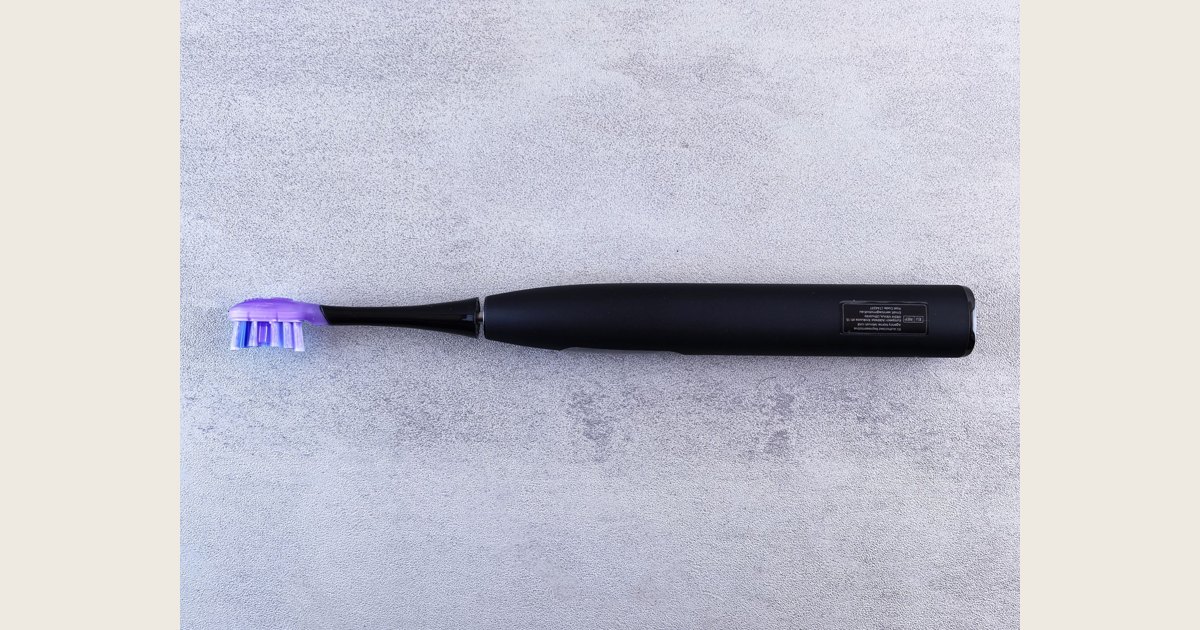
An electric toothbrush can be a good choice if its cues make gentle, thorough brushing easier, but it is not automatically better than a manual brush. If your gums are sensitive, start with soft bristles, a comfortable handle, and controls that help you avoid pressing too hard—not the biggest list of modes. This is a category-level review, not a hands-on test or ranking of specific models, so it does not assign a score or claim that one brand is gentler. The practical verdict: choose the brush you can use comfortably and consistently, then compare its replacement-head cost and care instructions before buying.
Key Takeaways
- Manual and powered toothbrushes can both clean effectively; preference and ease of use matter.
- For sensitive gums, look for soft bristles and consider pressure feedback or a gentle setting as helpful cues—not treatment.
- Check replacement-head availability and cost, charging needs, and the maker’s instructions before choosing a handle.
- Bleeding, swelling, tenderness, gum recession, or tooth sensitivity deserve attention from a dental professional; a new brush is not a diagnosis.
Electric toothbrush review: the short verdict
A powered brush is worth considering when its timer, pressure feedback, or handling makes your daily routine easier to follow. If you already brush comfortably with a manual toothbrush, there is no need to switch simply because an electric model sounds more advanced. The American Dental Association (ADA) says both manual and powered brushes can clean effectively, and that personal preference can guide the choice; people who find a manual brush difficult may find a powered one more comfortable (ADA MouthHealthy, “Toothbrushes”).
For a sensitive-gum shortlist, weigh comfort and control first, then long-term convenience. A “sensitive” mode or pressure indicator may make it easier to notice your habits, but a feature name alone does not prove that a brush prevents irritation or treats a gum problem. This review does not test models or verify current prices, so it is a framework for comparing products—not a recommendation for a particular handle.
| What to compare | Why it matters | What to check |
|---|---|---|
| Brush head | Bristle feel and fit affect day-to-day comfort | Choose soft bristles; check which replacement heads fit |
| Pressure feedback | A reminder may help if you tend to press hard | Find out what the cue does and whether it is easy to notice |
| Timer or pacing | Can help you keep track of brushing time | Look for a simple control you will actually use |
| Replacement heads | The handle is only part of the ongoing cost | Confirm availability, price, and maker’s replacement guidance |
| Charging and grip | A brush is useful only if it fits your routine | Consider where it charges, how it feels in your hand, and travel needs |
Electric vs. manual: what does the evidence say?
There is no universal winner in this review. The ADA says both types can effectively and thoroughly clean teeth; its practical advice is to brush twice a day for two minutes with fluoride toothpaste and choose the type that suits you. It also notes that a powered brush may feel more comfortable for someone who has difficulty using a manual one. Ask your dentist which option fits your needs, especially if you have a condition or limitation that affects brushing.
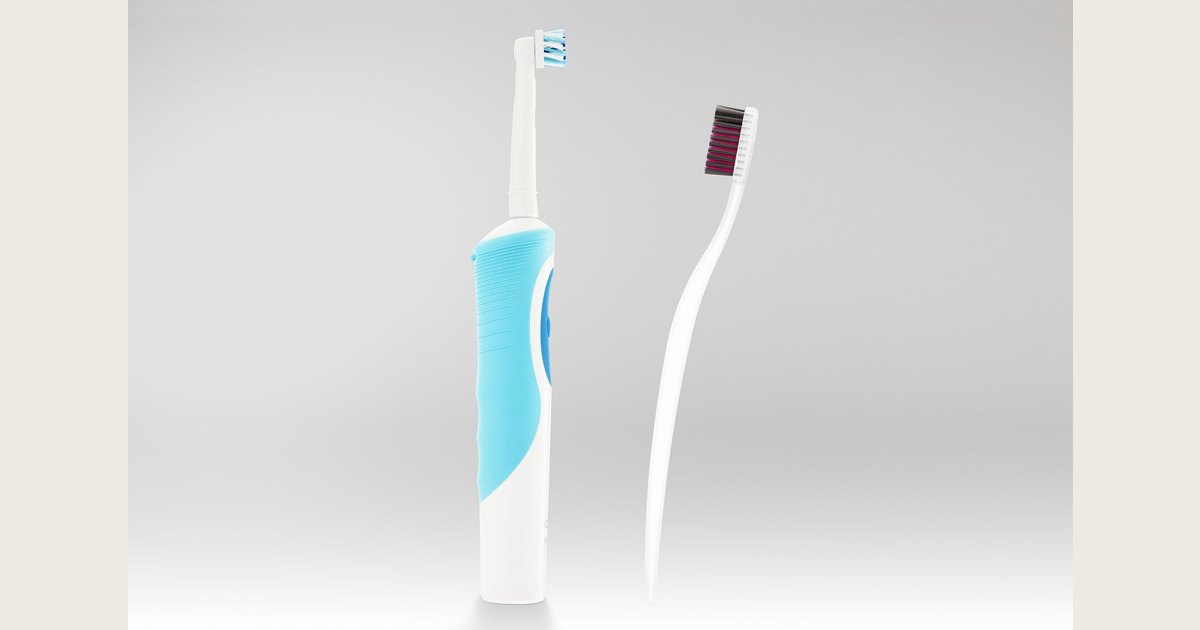
Illustrative comparison of brush styles, not a test of cleaning performance. Photo by andreas160578; original image via Pixabay (Pixabay license); resized and padded.

The useful question is not whether an electric brush is “stronger.” It is whether you can reach the surfaces you need to clean without scrubbing or squeezing the handle. If a powered model helps you keep a steady routine, that is a reasonable personal benefit. If charging, noise, bulk, or the price of replacement heads would make you avoid using it, a soft-bristled manual brush may be the more practical choice. For a side-by-side overview, see our electric-versus-manual toothbrush guide.
Which features matter for sensitive gums?
Start with the bristles, then treat electronic features as optional reminders. ADA guidance recommends soft bristles for manual and powered brushes and warns that medium or firm bristles, along with vigorous scrubbing, may damage gums and enamel. It advises brushing only hard enough to remove the film from teeth; fluoride toothpaste does the rest (ADA MouthHealthy, “Toothbrushes”).
A quick way to compare features is to ask what job each one will do for you:
- Soft bristles: Make this your baseline. Confirm the actual replacement head is soft-bristled; do not assume every head made for a powered handle feels the same.
- Pressure feedback: Consider it if you tend to bear down. Check how the specific model signals excess pressure and whether you can understand that signal while brushing. It is a prompt to ease up, not a gum-health guarantee.
- Gentle or sensitive mode: Treat the label as a starting point, not proof of a medical benefit. Modes can work differently by model, so consult that product’s instructions and ask your dentist if brushing causes discomfort.
- Timer or quadrant pacing: Useful if you lose track of time or rush. The ADA’s general recommendation is two minutes, twice daily; a timer can support that habit but cannot confirm that you covered every surface.
- Comfortable grip and simple controls: Choose a handle you can hold and operate easily. Extra modes, an app, or a display are only worthwhile if they solve a real problem in your routine.
If you have a dentist-recommended brushing approach, prioritize compatibility with that advice over a feature checklist. A brush cannot replace professional guidance about gum sensitivity, recession, braces, dental work, or other individual needs.
Compare replacement costs, charging, and convenience
Compare the cost of keeping the brush usable, not only the price of the handle. Before choosing a model, check the cost and availability of its compatible heads, whether you can buy them locally or online, and how the handle recharges. A low-cost handle may be less convenient if its replacement heads are difficult to find; a feature-rich model may not be worthwhile if you will not use its extras. Prices and bundles change, so check current seller and manufacturer listings rather than relying on an old review.
The ADA recommends replacing a toothbrush every three to four months, or sooner if its bristles are frayed. That is general toothbrush guidance, not a model-specific interval for every powered head. For an electric brush, follow the manufacturer’s instructions for its head and replace it earlier if it is worn or damaged. Include those recurring replacements in your budget.
Charging is another practical tradeoff. Think about where the handle will live, whether the charging setup fits your bathroom, and whether you need a case for travel. Do not assume that a travel case is included or that a charger suits every destination; confirm what comes with the exact model. Our electric-toothbrush travel guide covers packing considerations, while our rechargeable-versus-battery toothbrush comparison looks at power options.
A practical buying checklist
Use this short checklist to narrow the options without treating extra features as a scorecard:
- Choose soft bristles. Check the replacement head, not just the handle description. In the U.S., the ADA recommends looking for the ADA Seal of Acceptance; ask your dentist if you are unsure what fits your needs.
- Decide whether feedback would help. If you often press hard or rush, consider a pressure cue and timer. If you already brush gently for the recommended time, you may not need to pay extra for them.
- Check the recurring cost. Confirm replacement-head price, availability, and the manufacturer’s replacement instructions before committing to a handle.
- Try the routine on paper. Consider grip, noise, charging, controls, and storage. A brush that is awkward to hold or maintain is a poor fit, even if it has many settings.
- Keep your dentist in the loop. If sensitivity is new, persistent, or tied to bleeding or other gum changes, get advice rather than cycling through stronger modes or brush heads.
For everyday technique, our guide to using an electric toothbrush gently and thoroughly walks through the routine. The core decision is simple: buy features that solve a specific brushing problem, and skip the ones that only make the box look impressive.
What if brushing hurts or your gums bleed?
Do not assume that bleeding means you need a more powerful brush—or that switching brushes will solve it. The National Institute of Dental and Craniofacial Research (NIDCR) lists gums that bleed easily, look red or swollen, feel tender, or pull away from teeth among possible gum-disease symptoms. It also lists sensitive or loose teeth, pain while chewing, and persistent bad breath. These signs do not establish a diagnosis; a dentist or dental hygienist can examine your gums and teeth (NIDCR, “Periodontal (Gum) Disease”).
If brushing feels uncomfortable, ease off rather than scrubbing harder, check that you are using soft bristles, and follow the brush’s instructions. If bleeding, sensitivity, or other changes concern you or continue, arrange an assessment with a dental professional. The NIDCR notes that gum disease requires professional evaluation and that treatment depends on its extent. A pressure sensor, app, or “gum care” setting cannot diagnose the cause or replace that assessment.
Frequently asked questions
Is an electric toothbrush better than a manual one?
Not for everyone. The ADA says both can clean effectively; choose based on preference, comfort, and whether one makes brushing easier for you. If you are unsure, ask your dentist.
Do I need a pressure sensor for sensitive gums?
No single feature is required for everyone. A pressure cue may help you notice when you are pressing hard, but it is not a treatment or a substitute for soft bristles, gentle technique, and dental advice when symptoms persist.
How often should I replace an electric toothbrush head?
Follow the instructions for your specific brush and replacement head. The ADA’s general advice is to replace a toothbrush every three to four months or sooner if the bristles are frayed; its page does not give a separate interval for every powered-head design.
Final verdict
An electric toothbrush is a sensible choice when its comfort and reminders help you brush gently and consistently; it is not an automatic upgrade over a manual brush. For sensitive gums, start with a soft-bristled head, consider pressure feedback or a timer only if useful, and compare replacement costs and charging before buying. Skip unsupported promises based on a mode name or a higher price. If your gums bleed, feel swollen or tender, or your teeth become sensitive, get dental advice rather than expecting a new handle to fix the cause. No specific product was tested for this article, so the recommendation is a buying framework—not a hands-on product rating.
Featured image credit: Illustrative stock photograph of a black electric toothbrush with a purple head, not a tested product. Photo by Andrey Matveev; original image via Pexels (Pexels license); resized and padded.
